

How Technology Is Transforming Modern Inflatable Interactive Games
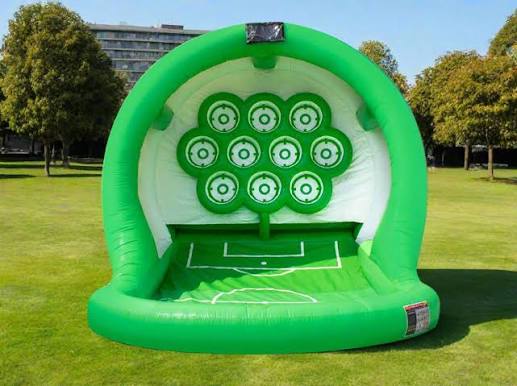
Inflatable games have evolved significantly from simple bouncing structures and traditional recreational attractions. Today, technological innovations are helping manufacturers create more engaging experiences through interactive displays, electronic scoring systems, sensor-based challenges, and innovative game designs. These developments are making inflatable entertainment more appealing for corporate events, schools, amusement centers, family festivals, and commercial rental businesses.
Modern customers increasingly look for attractions that combine physical activity with interactive entertainment. Instead of simply jumping or moving through an obstacle course, participants can compete against digital targets, track their scores, complete timed challenges, and engage with game elements that respond to their actions.
Inflatable Interactive Games demonstrate how traditional inflatable entertainment can incorporate new ideas to create more dynamic and memorable experiences. Understanding these technological developments can help event organizers and commercial buyers choose attractions that meet changing customer expectations.
1. The Evolution of Inflatable Interactive Games
Traditional inflatable attractions typically focused on straightforward activities such as bouncing, sliding, climbing, and navigating obstacles. Their appeal came from their colorful appearance, physical engagement, and ability to accommodate recreational activities at different types of events.
Modern designs can extend these experiences by introducing interactive features that give participants specific goals to achieve.
For example, an inflatable sports attraction might combine a traditional target with electronic scoring, allowing participants to see their results immediately. Another design might use illuminated targets or timed challenges to make each round more competitive.
These innovations create additional ways to participate without eliminating the physical activities that make inflatable games enjoyable.
Technology is also influencing how games are managed, customized, and maintained. As a result, buyers can evaluate attractions based not only on their size and appearance but also on their interaction features, operating requirements, and suitability for particular audiences.
2. Electronic Scoring Systems Make Games More Competitive
One of the most practical technological developments in interactive inflatable entertainment is electronic scoring.
Traditional games may require an attendant to count points manually or determine a winner at the end of each round. Electronic systems can simplify this process by displaying scores as participants complete challenges.
Depending on the design, an interactive inflatable game may include:
- Digital score displays
- Electronic timers
- Automatic point counting
- Round-based scoring systems
- Visual or audible signals indicating successful attempts
Consider an inflatable basketball challenge at a corporate event. Participants could take turns shooting within a fixed time limit while an electronic display records their scores. Employees can compare results, compete in teams, and follow the progress of the activity without needing complicated manual scorekeeping.
Electronic scoring can also help operators manage tournaments at amusement centers, school festivals, and commercial entertainment venues.
However, buyers should check the reliability of the scoring components, power requirements, ease of operation, and availability of replacement parts before purchasing an electronically enhanced attraction.
3. Sensors Create More Responsive Gaming Experiences
Sensors can help an inflatable game respond to a participant’s actions. Depending on the technology used, these components may detect movement, contact, position, or successful interaction with a target.
For example, a target-based game might register a successful hit when a ball reaches a designated sensor area. A reaction challenge could use illuminated targets that participants must touch or strike in a particular sequence.
This type of interaction creates a more responsive experience because participants receive feedback as they play.
Sensor-based features can support several types of activities:
- Reaction-time challenges
- Interactive target games
- Accuracy competitions
- Timed obstacle tasks
- Multiplayer scoring challenges
The precise capabilities depend on the system installed in the attraction. Not every inflatable game includes sensors, and buyers should distinguish between standard inflatable equipment and models that offer integrated electronic functions.
When evaluating sensor-equipped products, consider how the components are protected, whether they can withstand the intended operating environment, and how easily faults can be diagnosed.
4. LED Lighting Adds Visual Appeal and Interactive Features
LED lighting is another technology that can enhance the appearance and functionality of inflatable entertainment.
Lighting can make an attraction more noticeable at evening events, indoor entertainment venues, and themed celebrations. When incorporated into an interactive game, LEDs may also serve as visual indicators for targets, scoring zones, or timed challenges.
For example, a reaction game might illuminate one target at a time, requiring players to respond quickly. A team competition could use different light colors to identify groups or signal the beginning and end of a round.
Lighting can also support themed environments, including futuristic entertainment zones, sports-themed parties, and nighttime festivals.
Nevertheless, lighting should be selected according to the attraction’s intended use. Buyers should confirm electrical safety arrangements, weather suitability, cable protection, and whether the lighting system is designed to operate with the inflatable.
Visual effects can improve presentation, but they should never interfere with visibility, safe movement, or supervision.
5. Digital Timers Encourage Faster and More Engaging Challenges
Time-based challenges are an effective way to add structure to interactive inflatable games.
Digital timers can establish a clear beginning and end for each round. Participants might attempt to score as many points as possible in 30 seconds or complete a designated challenge within a set period.
This approach is useful for events where many people need an opportunity to participate.
A timed format can make it easier to organize:
- Short competitions at company events
- School sports-day activities
- Carnival-style game stations
- Tournament rounds
- Individual performance challenges
Digital timers also help participants understand the rules before beginning a game. When the time limit is visible, players can focus on the challenge rather than repeatedly asking an attendant how much time remains.
Organizers should choose time limits that suit the activity and participants. The purpose is to create excitement without encouraging unsafe rushing or unnecessary physical contact.
6. Interactive Displays Improve the Participant Experience
Some modern entertainment systems use digital displays to present instructions, scores, progress indicators, or game prompts.
When integrated into an inflatable attraction, these displays can help explain the objective and provide immediate feedback during play.
For example, a display might show the number of targets successfully hit, the time remaining, or the score required to reach the next stage. This can make a game easier to understand, especially when participants have limited time to learn the rules.
Interactive displays may also be useful for attractions designed for different age groups. Depending on the system, operators might select different difficulty levels or switch between available game modes.
Before selecting this type of equipment, check screen visibility, operating controls, software requirements, and whether the interface can be used easily by event staff.
Simple, reliable interfaces are particularly valuable for commercial operators who need to manage multiple attractions throughout a busy event.
7. Multiplayer Technology Supports Group Competition
Technology can also help inflatable games accommodate more structured multiplayer experiences.
Depending on the equipment, multiple participants may compete using separate targets, individual scores, or shared objectives. Some systems can compare scores between players, while others allow participants to contribute to a combined team result.
For example, two teams at a corporate gathering could compete in a target-shooting challenge. Each participant takes a turn, and the system records the team’s cumulative score.
This format encourages employees to communicate, support colleagues, and participate in a common goal.
Multiplayer features can also improve the organization of events by making results easier to track. However, buyers should confirm the number of participants the attraction can accommodate safely, as electronic multiplayer capability does not automatically increase the inflatable’s physical capacity.
Clear rules, suitable supervision, and appropriate participant rotation remain important.
8. Customization Makes Inflatable Games More Versatile
Technology and modern manufacturing methods can provide more opportunities to customize inflatable attractions for specific audiences or events.
Customization may involve branding, colors, printed graphics, game layouts, or the selection of compatible interactive components.
For commercial customers, branded inflatables can help create a consistent visual identity at promotional events, trade shows, product launches, and company celebrations.
An inflatable sports game might feature a company’s colors and logo, while a themed attraction could use graphics that match the event concept.
Some products may also offer configurable electronic settings, such as different scoring rules or game modes. These options depend on the manufacturer’s design and should be confirmed before an order is placed.
When requesting customization, buyers should discuss artwork requirements, production timelines, minimum order quantities, component compatibility, and the availability of technical support.
9. Technology Can Support Better Game Management
The benefits of technology extend beyond the participant experience. Digital systems and electronic components can help operators organize activities and manage gameplay more consistently.
Electronic timers and score displays, for example, may reduce the amount of manual work required from attendants. Standardized scoring can also make it easier to run several rounds using the same rules.
Some advanced equipment may provide diagnostic indicators or component-status information. Where these features are available, they can help operators identify certain problems more quickly.
However, technology does not replace routine inspections or trained supervision. Inflatable structures still require appropriate installation, anchoring or stabilization, inflation management, and maintenance according to the manufacturer’s instructions.
Commercial operators should maintain clear procedures for inspecting equipment, reporting faults, and removing attractions from service when necessary.
10. Choosing Between Traditional and Technology-Enhanced Inflatables
Not every event requires advanced electronic features. The best choice depends on the audience, budget, venue, frequency of use, and objectives of the activity.
| Consideration | Traditional inflatable games | Technology-enhanced inflatable games |
|---|---|---|
| Gameplay | Focus on physical activities and straightforward rules | May add digital targets, timers, or responsive challenges |
| Scoring | Often managed manually | May offer automatic scoring and digital displays |
| Setup | Depends on the inflatable’s size and design | May require additional electrical or electronic setup |
| Maintenance | Focuses on the inflatable structure and associated equipment | May also require checks of sensors, displays, wiring, or controls |
| Event suitability | Suitable for many basic recreational activities | Useful when interactive features or structured competition are priorities |
| Cost | Depends on size, materials, and design | May include additional costs for electronic components and support |
Traditional attractions can remain an excellent option for straightforward recreation, while technology-enhanced products may offer additional value when interactive challenges are a key part of the event.
Buyers should compare the total operating cost rather than focusing only on the initial purchase price.
11. Maintenance Considerations for Technology-Enhanced Games
Electronic components can introduce maintenance requirements that are not present in simpler inflatable designs.
A reliable maintenance routine should address both the inflatable structure and any installed technology.
Inspect the Inflatable Structure
Check seams, fabric, attachment points, air connections, and other components according to the manufacturer’s inspection schedule. Any damage should be assessed before the attraction is used again.
Check Electronic Components
Inspect displays, sensors, control units, connectors, and cables for visible damage. Follow the manufacturer’s instructions for cleaning and handling electronic parts.
Protect Equipment From Environmental Conditions
Do not assume that electronic components are waterproof or suitable for outdoor use. Confirm their environmental ratings and follow the specified procedures for rain, moisture, dust, and temperature.
Follow Power and Connection Requirements
Use only the specified power supply and compatible components. Keep electrical connections arranged and protected as instructed, and avoid unauthorized modifications.
Train Operators
Staff should know how to start and stop the game, select the correct settings, identify common faults, and respond if an electronic feature stops working.
Regular maintenance can help extend the useful life of the equipment and reduce unexpected interruptions during commercial events.
12. What to Consider When Buying Modern Inflatable Interactive Games
As technology becomes a more visible part of inflatable entertainment, buyers need to evaluate product specifications carefully.
Before making a purchase, consider the following factors.
Intended audience: Choose activities that suit the age range, interests, and abilities of the expected participants.
Interactive features: Identify whether the game includes electronic scoring, sensors, LED lighting, digital timers, or other specific technologies. Confirm that the features meet your actual requirements.
Space requirements: Review the inflatable’s dimensions and required clearance, along with access routes, spectator areas, and installation needs.
Power requirements: Determine whether the attraction needs continuous electrical power, a specific power supply, or additional equipment.
Durability: Ask about the materials used, construction quality, protection of electronic components, and expected maintenance requirements.
Operating instructions: Obtain clear documentation covering setup, use, inspections, cleaning, storage, and troubleshooting.
Supplier support: Check the availability of spare parts, technical assistance, warranty coverage, and repairs.
Total cost of ownership: Include transportation, installation, electricity, staffing, maintenance, and any necessary software or replacement components.
Exploring Inflatable Interactive Games from an established product range can help buyers compare different styles and identify attractions suited to their commercial or recreational needs. Always verify the specifications of the particular model before making a purchasing decision.
13. Future Trends in Inflatable Interactive Entertainment
Technology will likely continue influencing how inflatable attractions are designed and used. While future developments will vary by manufacturer, several areas offer opportunities for further innovation.
More Personalized Game Modes
Configurable difficulty levels and alternative scoring rules could help operators adapt an attraction for different audiences and event formats.
Greater Integration of Digital Feedback
Improvements in displays, sensors, and control systems may allow some games to provide clearer feedback and more varied challenges.
Improved Event Analytics
Where systems support digital recordkeeping, operators may be able to review scores, participation patterns, or game performance to plan future activities more effectively. Such capabilities should be verified rather than assumed.
More Flexible Customization
Manufacturers may continue exploring ways to combine branded designs with interactive features, helping businesses create attractions that match particular campaigns or event themes.
Greater Focus on Ease of Operation
Simple controls, straightforward setup procedures, and accessible maintenance documentation can make technology-enhanced equipment easier for commercial operators to manage.
These possibilities depend on practical design, product reliability, and customer demand. The most valuable innovations will be those that improve the experience without creating unnecessary complexity or compromising safe operation.
Conclusion
Technology is transforming modern inflatable interactive games by introducing features such as electronic scoring, sensors, LED lighting, digital timers, interactive displays, and multiplayer challenges. These developments can make recreational activities more responsive, competitive, and engaging for participants at corporate events, schools, festivals, and commercial entertainment venues.
However, advanced features are only one part of a successful attraction. Product durability, straightforward operation, suitable installation, regular maintenance, and reliable supplier support remain essential considerations.
When comparing Inflatable Interactive Games, buyers should identify the features that genuinely improve their intended activities and assess the full cost of operating the equipment. By balancing technological innovation with practical requirements, businesses can select inflatable attractions that deliver engaging experiences and lasting value.


